
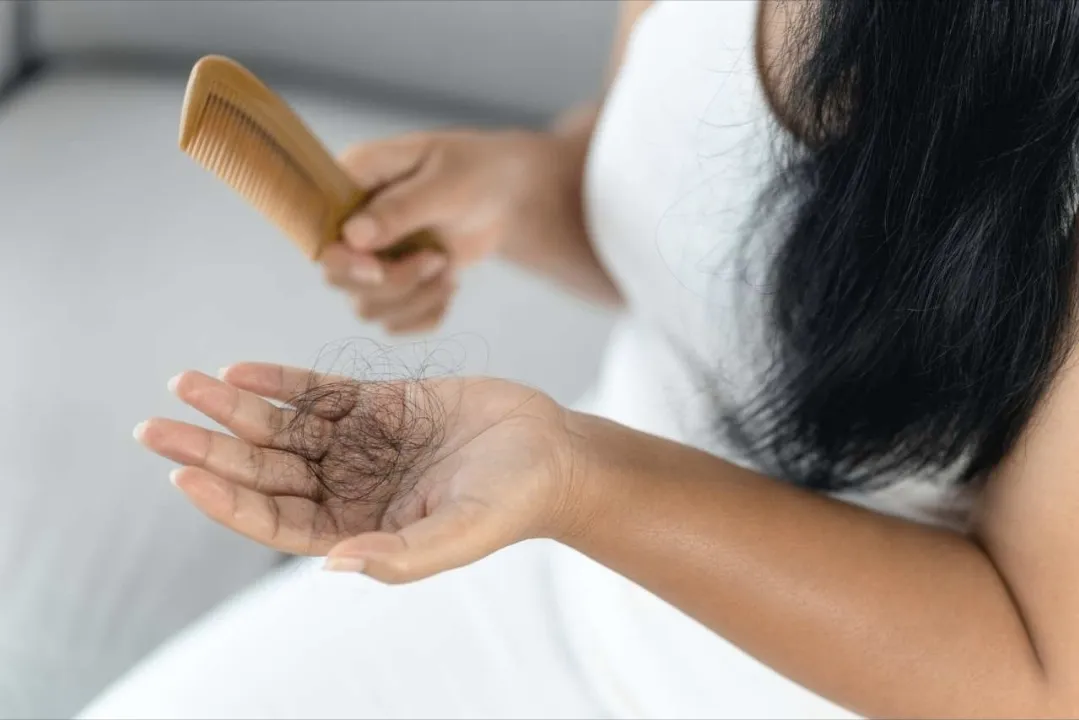
For many women, hair loss starts quietly. At first, it’s just a little extra shedding in the shower. Then the ponytail feels thinner. The volume disappears. The part widens. One day, you catch your reflection in the mirror and realize something has changed—and suddenly, it’s all you can see.
What makes hair loss especially difficult for women is how often it’s dismissed. You’re told it’s stress. Aging. Hormones. Genetics. While all of those can play a role, they’re rarely the full explanation. At Cerium Precision Care, we work with women every day who feel frustrated after trying product after product with no real improvement. The truth is simple but often overlooked: female hair loss treatment only works when it’s personalized and medically guided.
Hair loss is not just a cosmetic issue. It’s a signal from your body that something internally is out of balance. Until that imbalance is addressed, regrowth remains limited—no matter how many topical solutions you try.
Hair Loss in Women Is Far More Common Than Most People Realize
Millions of women experience thinning hair at some point in their lives, yet many feel isolated when it happens to them. Unlike men, women rarely develop obvious bald spots. Instead, they experience diffuse thinning, reduced density, and hair that grows more slowly or breaks more easily.
This pattern often makes hair loss harder to identify and easier to ignore—until it becomes impossible to hide. By the time many women seek help, the problem has already progressed for months or even years.
Understanding that hair loss in women is common—and treatable—is the first step toward reclaiming control.
Hormonal Hair Loss in Women: The Hidden Driver
One of the most significant contributors to thinning hair is hormonal hair loss in women. Hormones regulate the hair growth cycle, determining how long follicles stay in the growth phase and when they shed.
Estrogen, progesterone, testosterone, thyroid hormones, and cortisol all play critical roles. When these hormones fall out of balance, hair follicles receive mixed signals. Growth slows. Shedding increases. Over time, follicles may remain stuck in a resting phase, leading to noticeable thinning.
Hormonal shifts can occur during pregnancy, postpartum recovery, perimenopause, menopause, or periods of prolonged stress. Even subtle imbalances—ones that don’t trigger obvious symptoms—can significantly affect hair density and quality.
Why Stress Makes Hair Loss Worse
Stress is often blamed casually for hair loss, but the biological connection is real. Chronic stress elevates cortisol, which disrupts the delicate balance between other hormones. When cortisol remains high, the body prioritizes survival functions over hair growth.
This is why many women notice increased shedding during emotionally or physically demanding periods. Without addressing the stress-hormone connection, women’s hair restoration efforts often stall.
Why Over-the-Counter Solutions Rarely Deliver Results
The hair loss market is flooded with shampoos, serums, supplements, and trends promising dramatic regrowth. While some products may improve hair texture temporarily, most fail to address the internal causes of hair loss.
Topical products cannot correct hormonal imbalance. Supplements without guidance may miss key deficiencies or introduce unnecessary ingredients. Most importantly, generic solutions assume all hair loss is the same—and it isn’t.
This is where many women lose valuable time and confidence. Effective female hair loss treatment requires understanding what’s happening inside your body, not just on your scalp.
The Hair Growth Cycle and Why It Matters
Each hair follicle cycles through growth, transition, and rest phases. Healthy hair spends most of its time growing. When hormones are disrupted, follicles exit the growth phase prematurely.
This results in excessive shedding, slower regrowth, and hair that never seems to regain its fullness. Importantly, follicles are often still alive—they’re just inactive.
The goal of medical hair restoration is to restore proper signaling so follicles can return to active growth. This process takes time, patience, and consistency—but it’s possible with the right approach.
Why Women’s Hair Restoration Must Be Personalized
No two women experience hair loss for the same reasons. Genetics, hormones, stress levels, nutrition, metabolism, and lifestyle all contribute. Treating hair loss effectively means addressing the unique combination of factors affecting you.
At Cerium Precision Care, we begin with a comprehensive evaluation to identify underlying contributors. From there, we design a personalized treatment plan that supports both hair regrowth and overall health.
This individualized approach is what separates women’s hair restoration from generic solutions—and why it produces better outcomes.
Hair Loss Affects More Than Appearance
Hair is closely tied to identity, femininity, and self-confidence. When women lose their hair, it often affects how they feel socially, emotionally, and professionally. Many adjust hairstyles, avoid photos, or feel self-conscious in everyday situations.
These emotional effects matter. Hair loss is not vanity—it’s about feeling comfortable in your own body. Addressing hair loss often improves confidence, mood, and quality of life alongside physical changes.
Why Medical Oversight Makes a Difference
Hair restoration is not static. Hormones change. Stress levels fluctuate. The body adapts. Without medical oversight, it’s easy for progress to stall or regress.
At Cerium Precision Care, we monitor response and adjust treatment as needed. This ongoing guidance helps ensure that treatment evolves with your body and continues to support regrowth safely.
What Sets Cerium Precision Care Apart
We approach hair loss as part of whole-body health, not an isolated cosmetic concern. Our telehealth-based model allows women to access expert care conveniently while still receiving individualized treatment plans.
We prioritize accuracy, education, and realistic expectations, empowering women to understand their bodies and participate actively in their care. Our goal is not overnight miracles—but sustainable improvement and long-term confidence.
When to Take the Next Step
If hair thinning, excessive shedding, or loss of volume is affecting how you feel, it’s time to stop guessing and start getting answers. Early intervention can protect follicles and improve outcomes significantly.
You don’t have to accept hair loss as inevitable, and you don’t have to navigate it alone.
Conclusion: A Smarter, More Effective Approach to Female Hair Loss Treatment
Hair loss in women is complex, but it’s also highly treatable when approached correctly. At Cerium Precision Care, we focus on identifying the root causes behind hair loss and creating personalized solutions that support real regrowth and overall wellness.
If you’re ready to move beyond generic products and finally address what’s driving your hair loss, click here to set up a consultation and take the first step toward informed, personalized care.